
The Flex PLAYBOOK
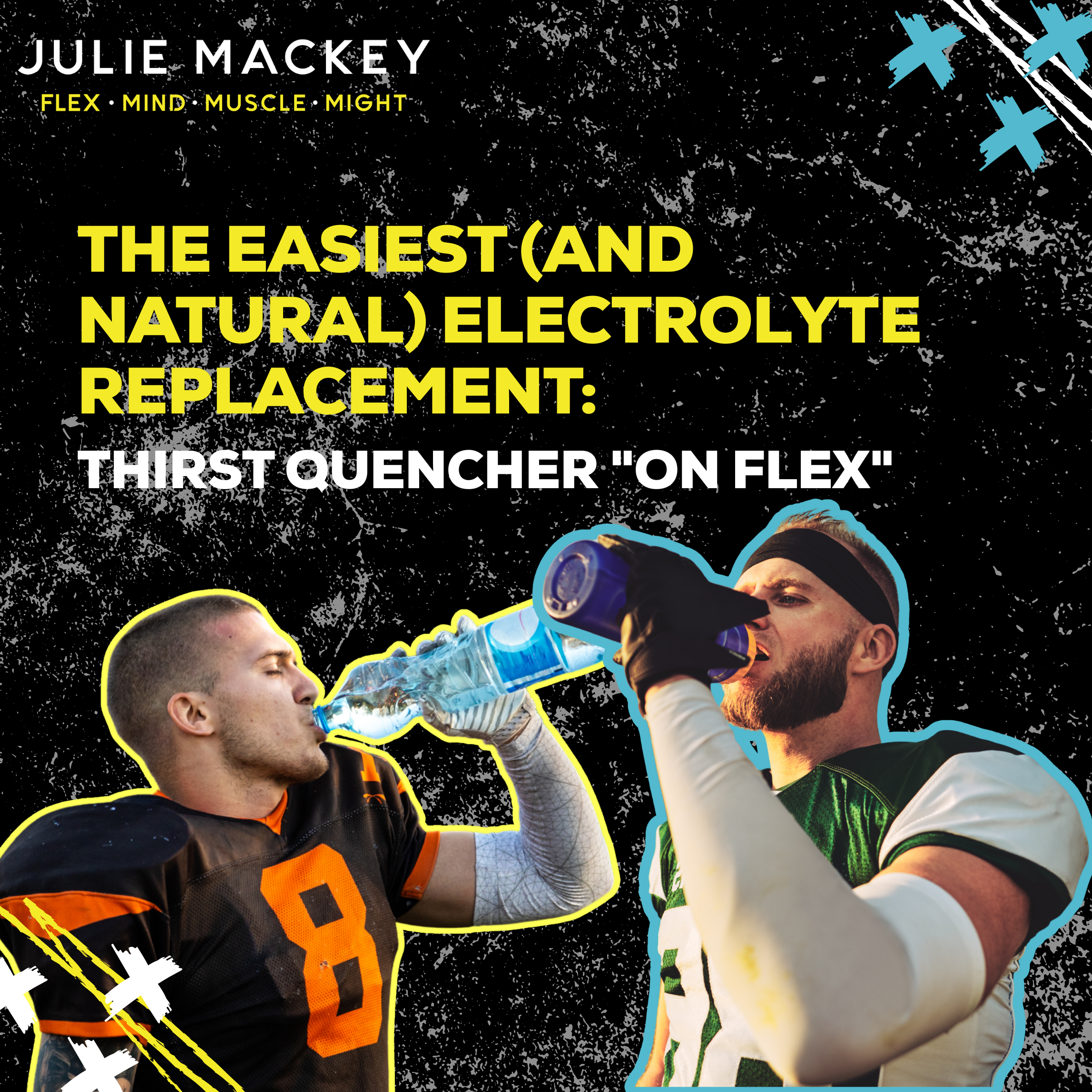
The Easiest (and Natural) Electrolyte Replacement: Thirst Quencher "on Flex"
It’s September. Practice is back. Games are back. And somehow… it’s still HOT. 🥵
You finish practice drenched in sweat, your legs feel heavy, and you reach for whatever cold drink you can find.
Sports drink. Energy drink. Something from the cooler. Anything.
But do you actually need everything packed into those bottles to replace what you lost?
Maybe not.
What if your easiest electrolyte drink was already sitting in your kitchen?
In this week’s FLEX Playbook, I’m sharing my simple “Thirst Quencher on Flex” — a homemade electrolyte drink made with ingredients you can actually recognize.
Plus, when you really need electrolytes, what to add, and why chugging more water isn't always the answer.

First Game Nerves Aren’t a Problem
Give your nerves a job to do. First-game nerves aren't something you need to eliminate—they're energy your body is giving you to prepare for the moment. The key is learning how to direct that energy instead of fighting it. In this blog, we'll break down why nerves happen, how to use your breath and focus to channel them, and how to turn those butterflies into a performance advantage.
Control the Controllables: The Performance Habit That Changes Everything
Over the past two days, we've talked about building confidence through preparation and managing your inner voice under pressure. Today, we bring it all together with the habit that keeps athletes performing when tryouts get chaotic: controlling the controllables.
The Inner Voice of an Athlete: Self-Talk Under Pressure
Part 2 of our Tryout Confidence Series is here. Confidence isn't just built through preparation—it's protected by the conversation happening inside your head. Learn how to turn negative self-talk into clear, coach-like instructions that help you perform under pressure.
Confidence Is Built Before Competition
Fall tryouts are here, and with them comes the same question every athlete asks: "How do I feel more confident?" The answer isn't found on tryout day. It's built through the small habits, routines, and preparation that happen long before the first whistle.
This is Part 1 of a three-part series on building confidence for tryouts. Over the next three days, Parts 2 and 3 will be released in sequence, each breaking down a different piece of what it actually takes to show up ready.
In this first Playbook, learn how to stop chasing confidence and start building evidence
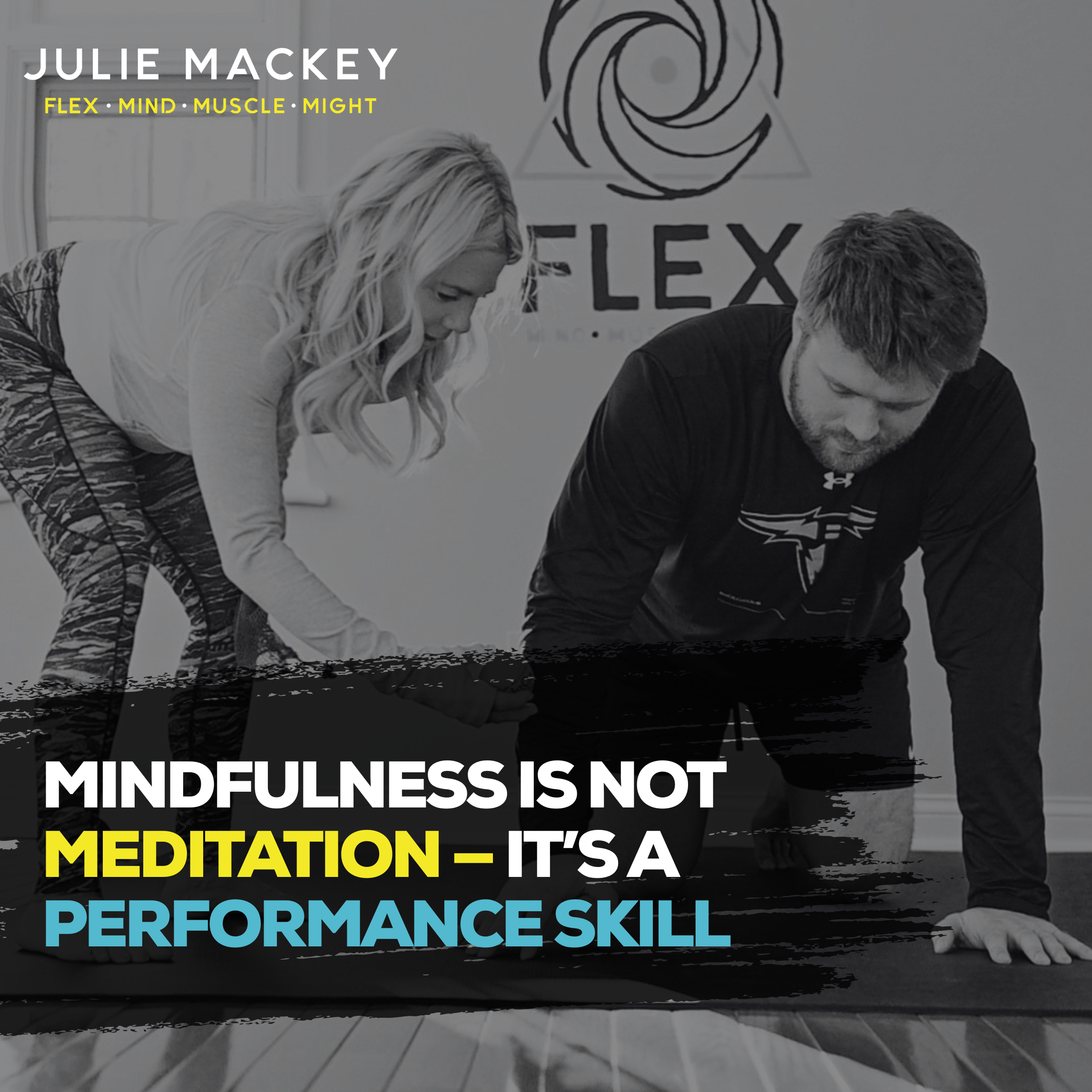
Mindfulness Is Not Meditation — It’s a Performance Skill
When athletes hear mindfulness, they often picture sitting quietly and trying not to think.
That's not what mindfulness in sport is.
Mindfulness is the ability to notice what's happening, control where your attention goes, and reset quickly when things don't go your way.
The athletes who appear mentally tough aren't necessarily tougher than everyone else—they've simply trained the skill of bringing their attention back to the present moment.
In this week's article, we explore why mindfulness is one of the most overlooked performance skills in sport and how athletes can begin training it immediately.
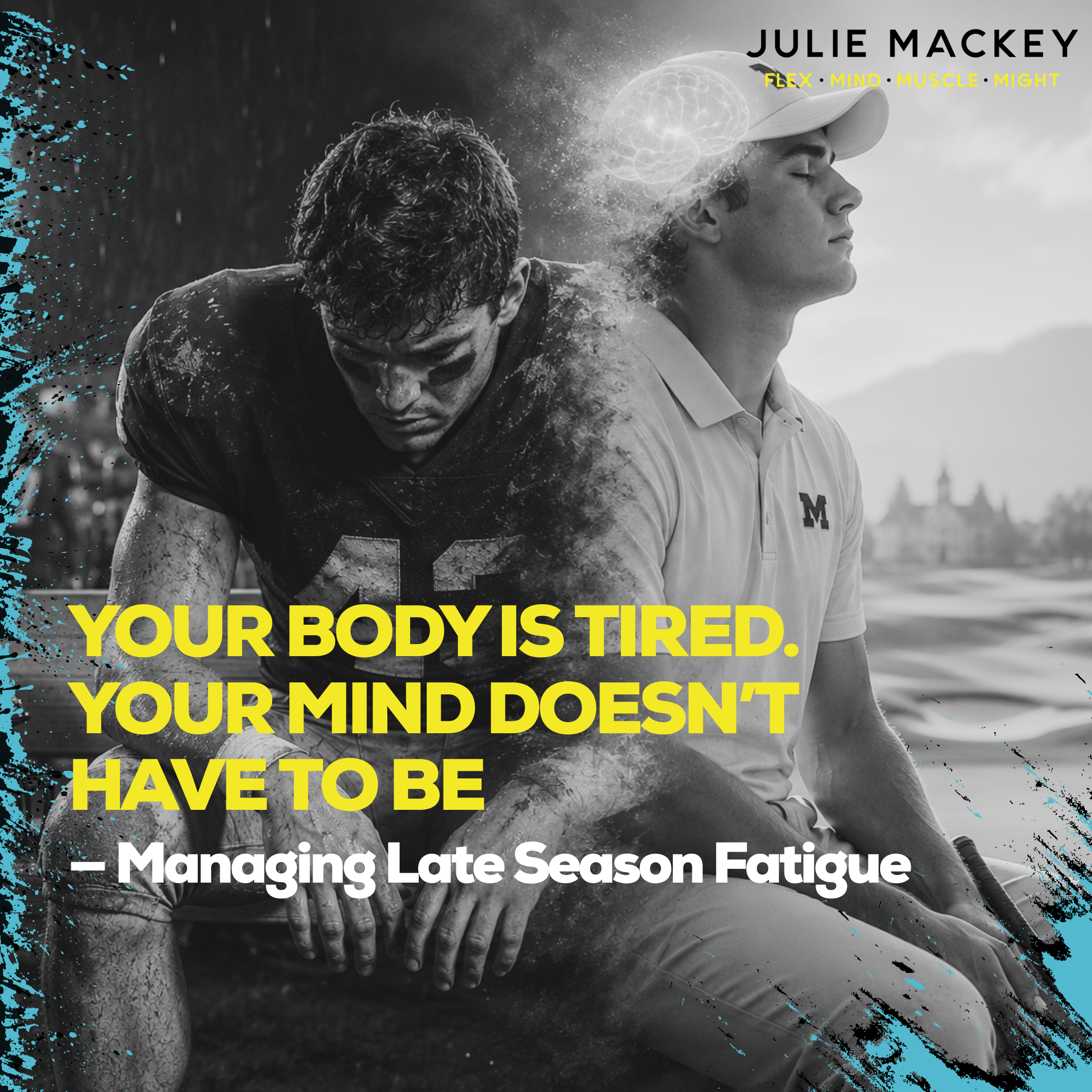
Your Body Is Tired. Your Mind Doesn’t Have to Be — Managing Fatigue
Late season fatigue isn’t only physical. As the season goes on, athletes often experience mental exhaustion, loss of focus, low motivation, and increased stress without realizing it. In this article, we explore how mental fatigue impacts performance and share practical ways athletes can recover, reset, and finish the season strong.
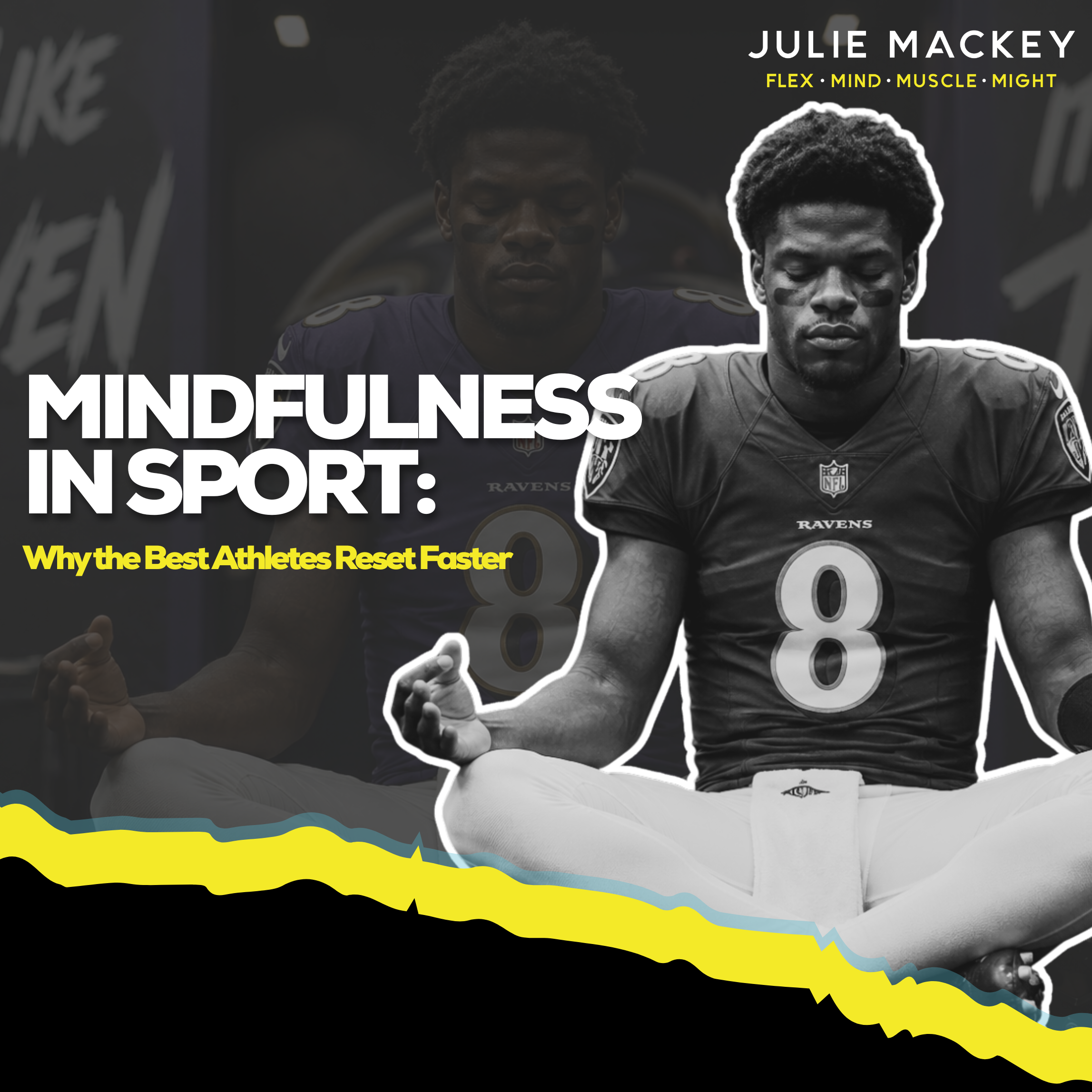
Mindfulness in Sport: Why the Best Athletes Reset Faster
Mindfulness in sport isn’t about sitting still in silence—it’s about staying composed under pressure. The best athletes aren’t always mentally tougher; they’ve simply trained the ability to reset faster. From missed shots to bad plays, mindfulness helps athletes refocus, stay present, and perform when it matters most. Learn how attention control, quick resets, and simple breathing practices can improve confidence, composure, and competitive performance.

Sleep for Athletes: The Real Performance Edge
Most athletes are obsessed with training. More reps. More sessions. More intensity. But the real performance edge? It's not in how hard you train — it's in how well you recover. And nothing drives recovery like sleep. Training is the stimulus. Recovery is where adaptation happens. The athletes who perform consistently, improve under pressure, and stay injury-free aren't just training hard. They're sleeping like it matters.

How to stay consistent when traveling interupts your routine.
Travel disrupts routines—but it doesn’t have to derail performance. This guide breaks down how athletes and coaches can stay consistent using simple, effective anchors for movement, recovery, nutrition, and mindset, no matter the environment.

Off-Season vs In-Season Training: Why Mobility Matters More Than You Think
Off-season and in-season training demand different priorities, yet many athletes fail to adjust—leading to fatigue, stiffness, and increased injury risk. While the off-season is focused on building strength and capacity, the in-season is about maintaining performance and staying available.
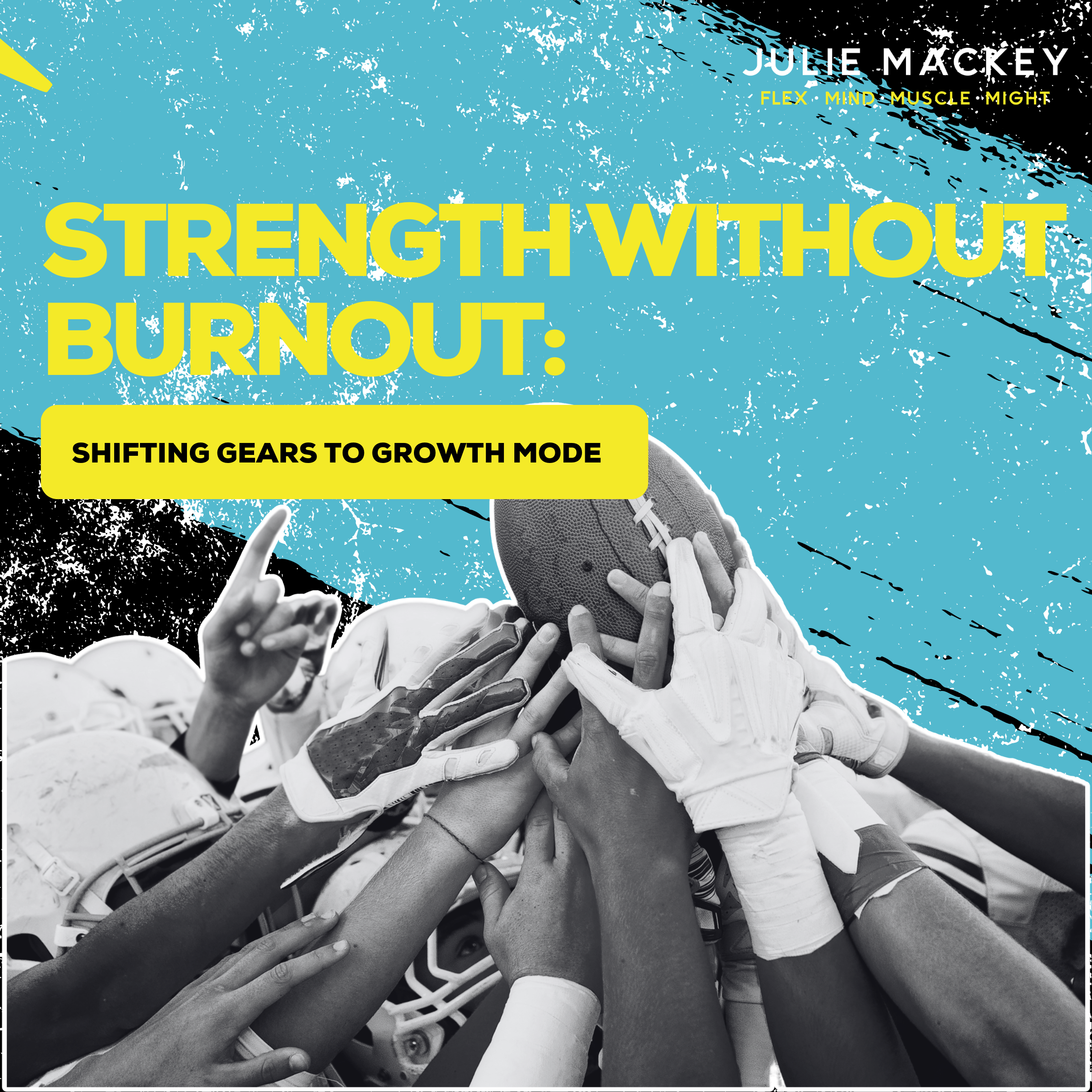
Strength Without Burnout: Shifting Gears to Growth Mode
Grinding year-round isn’t growth — it’s burnout. The off-season is your opportunity to shift from proving to building. This article breaks down how to develop usable strength, protect speed and explosiveness, manage fatigue, and taper into camp sharp instead of drained. The goal isn’t exhaustion. It’s readiness.

The Off-Season Blueprint: Strengthen the Details That Elevate Your Season
The off-season is where real growth happens. Instead of managing soreness and surviving game weeks, football athletes should use this window to correct what the season exposed. This blog outlines a structured blueprint to shift from survival mode to development mode — identifying mobility limitations, building recovery capacity, improving nervous system regulation, and progressing through restore, reintegrate, and prepare phases. Fix weak links now so they don’t cost you in-season.
SUSTAIN – How to Keep Your Mental Edge All Season.
SUSTAIN is the final step in the Start. Stop. Sustain. framework—where mental habits become automatic. This post breaks down how athletes maintain focus, confidence, and consistency all season, even under pressure, fatigue, and travel. Learn practical strategies to reinforce mental routines, prevent old patterns from returning, and build a durable mental edge that lasts.
STOP – The Mental Traps That Hold You Back
In Part 2 of the Start, Stop, Sustain (SSS) series, we focus on STOP. Learn how athletes can let go of past mistakes, comparisons, and negative self-talk to improve focus, confidence, and consistent performance under pressure.
Start, Stop, Sustain: The process Every Athlete Needs in January-JUST GET STARTed!
In Part 1 of my three-part series on the Start, Stop, Sustain (SSS) framework, we focus on START. SSS is a simple mental checklist designed to help athletes manage pressure, respond to mistakes, and perform reliably over time. What you start in January sets the foundation for how you compete when the stakes are highest.
This first installment breaks down why starting strong mentally matters and introduces practical habits athletes can implement immediately to build momentum that lasts all season.
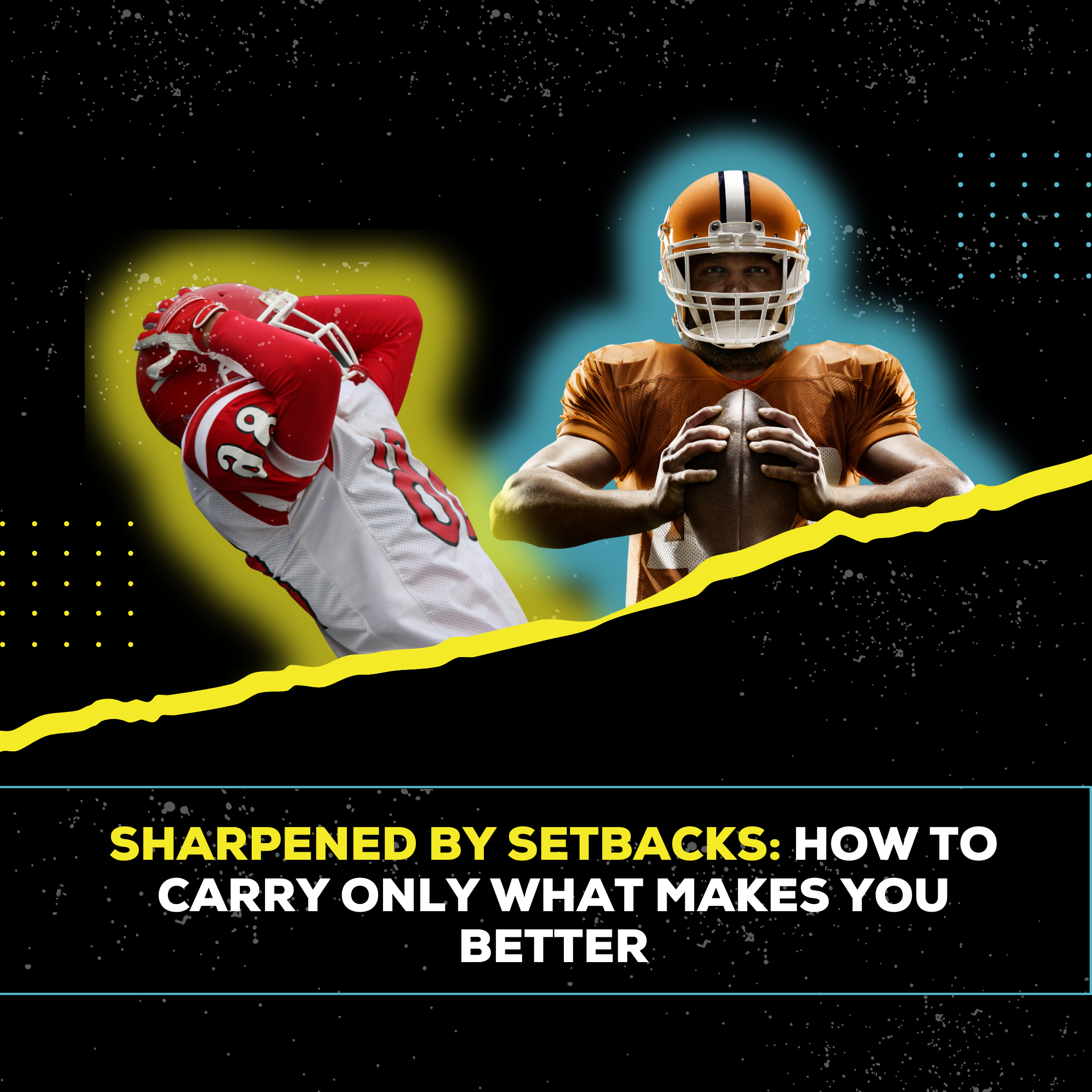
Sharpened by Setbacks: How to Carry Only What Makes You Better
A tough loss can feel like carrying a backpack full of bricks—each one a moment you can’t stop replaying. But your season isn’t shaped by a single game. It’s shaped by the habits, resilience, and identity you build along the way. Learn how to name the sting from a game loss, shift from regret to learning, and carry only what truly makes you better.

Dynamic Stretching vs. Static Stretching: What’s Best for Pre-Game Warm-Ups?
Learn the difference between dynamic and static stretching, and discover the best pre-game warm-up strategy for peak performance. Includes rollout and mental prep tips from FLEX.

Building Mental Resilience: Techniques for Athletes Facing High-Pressure Situations
Pressure in sports is unavoidable — but mental resilience can be trained just like strength or speed. This article provides practical techniques athletes can use to stay focused under pressure, including visualization, breathwork, and pre-performance routines. Discover how building mental toughness can boost performance and confidence when it matters most.